As our beloved canine companions grow older, their care needs change significantly. Senior dogs require special attention to live their golden years comfortably and healthily. Whether you’re a seasoned pet owner or new to caring for an aging dog, understanding their needs is crucial. This guide covers everything from dietary needs and activity requirements to common health issues and tips for ensuring your senior dog’s well-being.
Understanding the Aging Process in Dogs
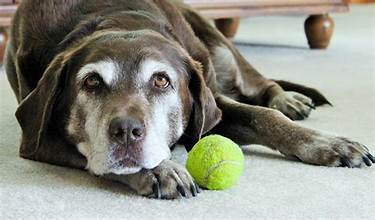
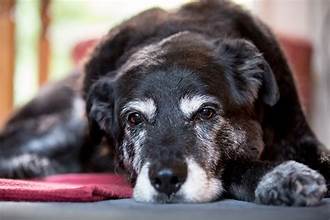
Aging is a natural part of life, and just like humans, dogs experience various physical and behavioral changes as they grow older. Generally, dogs are considered senior when they reach about seven years of age, though this can vary depending on the breed. Smaller breeds tend to age more slowly, while larger breeds may show signs of aging earlier.
Dietary Needs of Senior Dogs
Proper Nutrition: As dogs age, their metabolism slows down, and they may become less active. This means they need fewer calories but more nutrient-rich food to help maintain a healthy weight and support aging bodies. High-quality, easily digestible proteins are essential to help maintain muscle mass, while fiber can aid digestion.
Joint Supplements:
Senior dogs often have joint issues, such as arthritis. Supplements like glucosamine and chondroitin can help support joint health and reduce inflammation.
Omega-3 Fatty Acids:
These are beneficial for reducing inflammation and promoting healthy skin and coat. They can also support cognitive function in older dogs
Specialized Senior Dog Food:
Many pet food brands offer formulas specifically designed for senior dogs. These foods often have the right balance of nutrients tailored to the needs of aging dogs.

Hydration:
Older dogs may not drink as much water as they used to, so it’s essential to ensure they stay hydrated. Wet food can be an excellent option to increase their water intake.
Activity Needs for Senior Dogs
Moderate Exercise:
While senior dogs may not have the energy levels of their younger counterparts, regular exercise is still essential. Moderate activities like short walks, gentle play sessions, and swimming can help keep them physically fit and mentally stimulated.
Low-Impact Activities:
Avoid high-impact activities that could strain their joints, such as jumping or running on sidewalks or cement. Instead, opt for activities that are easy on their bodies, like walking on soft ground or engaging in gentle games.
Mental Stimulation:
Keeping your senior dog mentally sharp is as important as physical exercise. Puzzle toys, scent games, and basic training exercises keep their minds active.
Common Health Issues in Senior Dogs
Arthritis and Joint Problems:
Arthritis is among the most common issues in older dogs. Regular vet check-ups, joint supplements, and a comfortable bed can help manage pain and improve mobility.
Dental Health:
Dental problems are prevalent in senior dogs. Regular brushing, dental chews, and professional cleanings prevent issues like tooth decay and gum disease.
Vision and Hearing Loss:
Like older humans, older dogs can experience a decline in vision and hearing. Keep their environment consistent, and avoid moving furniture or creating obstacles that could confuse them.
Cognitive Dysfunction:
Cognitive dysfunction, also known as doggy dementia, can affect your dog’s memory, learning, and behavior. Supplements, a consistent routine, and mental stimulation can help manage symptoms.
Weight Management:
Obesity can cause many health issues in senior dogs, including joint problems and heart disease. Watching their diet and ensuring they get enough exercise can help maintain a healthy weight.
Grooming and Hygiene
Regular Grooming:
As dogs age, their skin and coat may become drier. Regular brushing helps remove dead hair and distributes natural oils, keeping their coat healthy. Bathing should be given with a gentle, moisturizing shampoo.
Nail Care:
Senior dogs may be less active, so their nails might not wear down naturally. Regular trimming is essential to prevent discomfort and potential injuries.
Ear and Eye Care:
Older dogs may be more prone to ear infections and eye problems. Checking and cleaning their ears and eyes to prevent issues from developing.
Creating a Comfortable Environment
Comfortable Bedding:
Senior dogs may have achy joints, so providing a soft, orthopedic bed can make a big difference in their comfort.

Accessibility:
Consider modifying your home to accommodate your aging dog. Ramps for getting on and off furniture, non-slip mats, and easily accessible food and water bowls can help them navigate their environment more comfortably.
Temperature Control:
Older dogs may have difficulty regulating their body temperature. Ensure they have a warm place to rest in colder months and a cool, shaded area in the summer.
Regular Veterinary Care
Frequent Check-ups:
Senior dogs should visit the vet at least twice yearly to watch their health and catch any issues early. Regular blood tests, dental check-ups, and standard senior dog condition screenings are essential.
Vaccinations and Parasite Control:
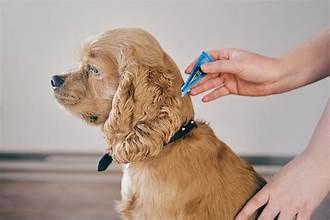
Although your dog is older, it must be protected against diseases and parasites. Keep up with its vaccinations and preventative treatments.
Pain Management:
If your senior dog is experiencing pain, work with your vet to find the best pain management plan. This could include medications, supplements, or alternative therapies like acupuncture or physical therapy.
Emotional Well-being
Companionship:
Senior dogs may become more anxious or clingy as they age. Providing them with love, attention, and companionship is crucial for their emotional well-being.
Routine:
Keeping a schedule for feeding, walks, and bedtime can help them feel more secure and reduce anxiety.
Patience and Understanding:
Aging can be confusing and frustrating for dogs. Be patient and understanding as they navigate this stage of life, offering reassurance and adapting to their changing needs.
Final Thoughts on Senior Dog Care
Caring for a senior dog requires extra attention and care, but the love and companionship they offer in return are immeasurable. By understanding their dietary needs, providing appropriate exercise, staying on top of their health, and creating a comfortable environment, you can ensure your senior dog enjoys a happy, healthy, and fulfilling life in its golden years.
Disclosure: This page may contain an affiliate link to Amazon.com. We might receive a commission if you follow them and purchase anything from the recommended products. I can assure you that I never recommend anything I don’t trust. Thanks for supporting pawsofability.com!